Sleep tips
Sleep Better: How to Create the Ideal Sleep Climate
By Deluxe Sleep · Published on
Contents
- Sleep Better: How to Create the Ideal Sleep Climate
- What is the sleep climate, and why is it crucial for good sleep?
- Can you really sleep better in the cold?
- Is room temperature the only thing that matters?
- Regulate the room temperature
- Wear the right nightwear
- Choosing the right mattress & duvet
- Conclusion
Sleep Better: How to Create the Ideal Sleep Climate
If you already suffer from light sleep and/or tend to sweat or feel cold more than usual, the right sleep climate is of great importance to you – especially now, as the nights are slowly getting warmer. The sleep climate is closely tied to having the right temperature in the bedroom. Some people simply cannot sleep in the heat, while others sleep worse in the cold. But why does temperature have such a decisive influence? And what other factors should you consider for an ideal sleep climate?
What is the sleep climate, and why is it crucial for good sleep?
The sleep climate describes the factors in the bedroom that can influence the sleeper's night's rest. It is closely linked to the room climate and depends on room temperature and humidity. The right bedding, suitable textiles, personal characteristics and proper care of the room also play a role. Broadly speaking, the sleep climate has a positive influence on sleep parameters such as time to fall asleep, deep sleep and waking phases. Surveys have found that an incorrect room temperature in particular is cited as the biggest disruptive factor for sleep. The wrong temperature affects not only sleep duration but also sleep quality. Experts therefore recommend regulating the bedroom temperature to between 16 and 19 °C. This can especially help those who suffer from heat in the bedroom. Of course, the perceived ideal temperature also depends on your physical condition, since weight, age, hormones and fitness all have an influence. The immediate bed environment should likewise be tailored to individual needs, since the right temperature conditions and high breathability should be pursued for the bed and nightwear too, ultimately to promote a pleasant sleep climate.
Can you really sleep better in the cold?
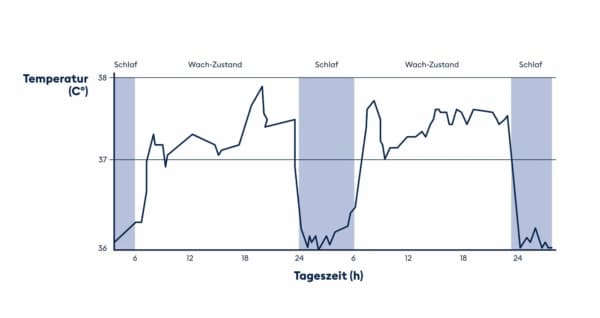
Our body has a circadian rhythm (internal clock) that, among other things, causes our body temperature to drop at night. For us to be able to fall asleep in the evening, the body needs to be able to lower its core temperature. The lowest temperature is usually measured between around three and four in the morning. To fall asleep more easily – and to make it easier for the body to lower its core temperature – you should therefore avoid a higher room temperature, among other things. Otherwise the body stays active longer in the evening, which leads to difficulty falling asleep. Activities such as pushing the duvet away or tossing and turning in your sleep when temperatures are too high also disrupt nighttime recovery. It is therefore an advantage to keep the bedroom temperature cool, so the body can find rest.
Is room temperature the only thing that matters?
The temperature of the sleeping surface itself, which is influenced by the mattress, pillows and duvets, also contributes to an optimal night's rest. So make sure these outer factors are well suited to you and are neither too hot nor too cold, even at low room temperatures. Body temperature should also not drop too much during sleep. For people who get cold quickly, for example, it can be worth keeping the feet warm. When the outer factors can be brought into harmony with your inner, personal ones, almost nothing stands in the way of a good night's rest.
The circadian rhythm has a major influence on our organism and also affects our body temperature.
Regulate the room temperature
For optimal sleep, the bedroom should be neither too hot nor too cold. To find the right comfort temperature, measure your bedroom temperature on different nights and compare how comfortable you felt each time. To better regulate the temperature in the bedroom, airing it out briefly in the morning and evening can help. If the air is still cool early in the morning, briefly opening the windows is ideal. This not only brings fresh oxygen into the room but also promotes an ideal sleep climate – and a good mood. On particularly warm days, it is worth drawing the curtains or blinds during the day and airing the room out again only late in the evening.
Wear the right nightwear
A factor that is probably often overlooked for good sleep quality is the right sleepwear. This can be especially important for people who overheat or get cold quickly. Besides seasonality and personal preference, nightwear is decisive for a good sleep climate. So look for high breathability, good moisture regulation, a fine and light feel, and a suitable cut. Fabrics such as wool and silk are ideal for regulating temperature all year round, and thanks to their good moisture regulation they do not feel damp or wet even on hotter nights. And while cooling eucalyptus fibers are ideal for summer, in winter, when you need more warmth, sleepwear made of merino wool is the better choice.
Choosing the right mattress & duvet
The ideal bed climate can be achieved with the right bed system. When buying, look for climate-regulating mattresses and duvets that keep the temperature within your comfort zone and wick away moisture quickly and efficiently. Climate duvets, for example, have proven positive effects on a cool and dry bed climate – an important point especially for people who sweat quickly. Also pay attention to the ergonomics of the bed, as this too can affect your thermoregulation at night. In our showroom in Bischofszell, we are happy to advise you on which mattresses and duvets suit your personal sleep climate.
Conclusion
The sleep climate is enormously important for our sleep. For optimal conditions, factors such as bedroom temperature and body temperature need to be considered, but also nightwear and the bed system. The better these are tailored to your individual needs, the faster you will achieve not only the desired sleep climate but also healthy sleep. Do you suffer from excessive sweating or heat build-up in your room? In our article "Sleeping in the Heat" we share valuable tips to help you sleep soundly even on hot summer nights.
Source: This article is based on an article from the BICO sleep blog (bico.ch). The research findings, product developments and test results mentioned in it come from BICO or from the third parties named in each case.