Sleep tips
Why high blood pressure and sleep deprivation can be linked
By Deluxe Sleep · Published on
Contents
Why high blood pressure and sleep deprivation can be linked
High blood pressure is far from rare as a modern widespread condition, since one in four people in Switzerland suffers from it. Among other things, high blood pressure is encouraged by sleep deprivation. We can feel the effects after just one sleepless night. Read on to find out why that is and what you can do about it.
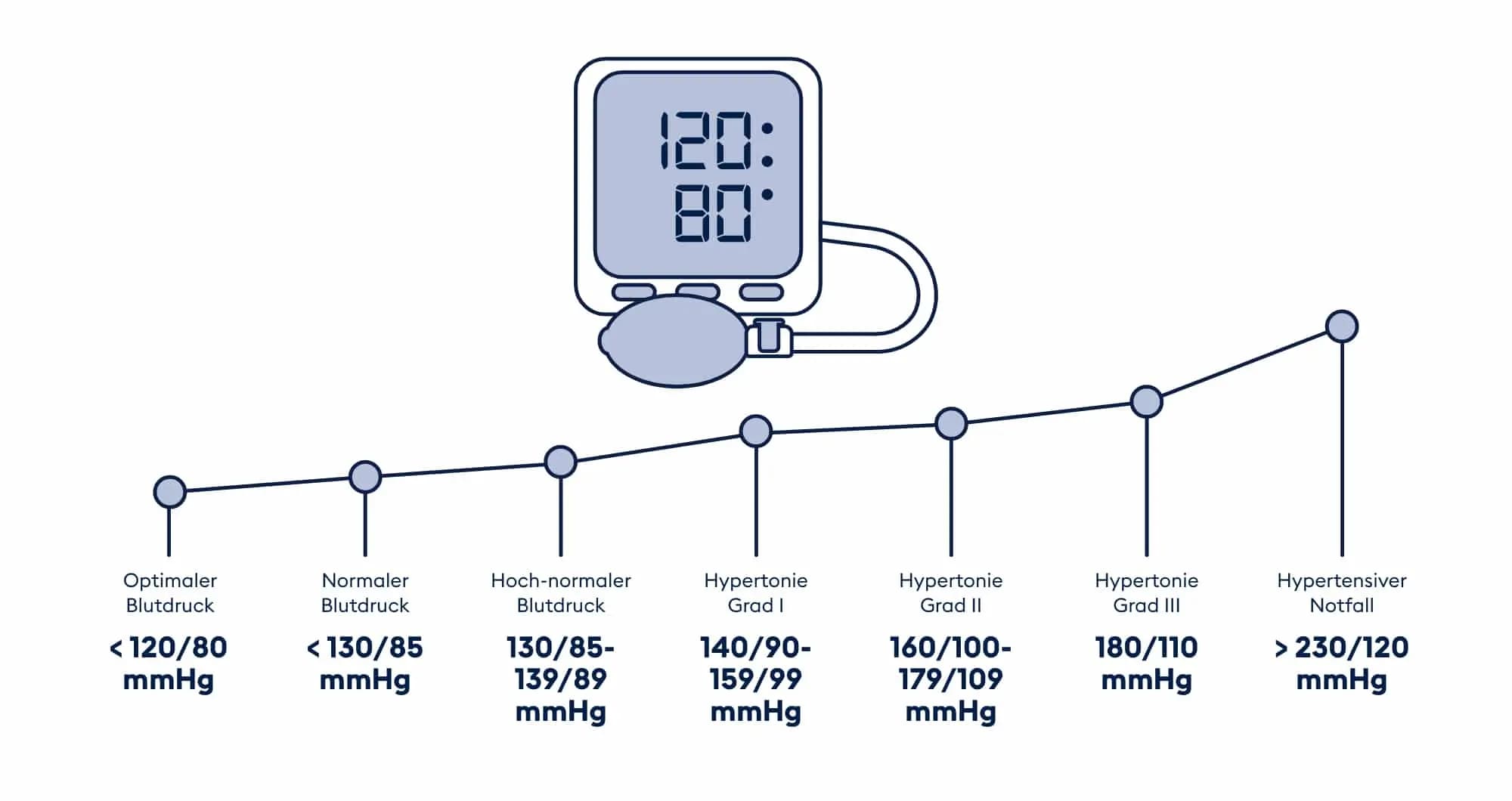
What counts as high blood pressure, and what is optimal blood pressure?
Values up to 130/85 are considered optimal blood pressure. Over the course of the day, blood pressure is subject to natural fluctuations: it is higher in the morning compared to the night, but drops slightly again as the day goes on. Differences in readings between men and women are normal and should not be compared with one another when measuring. We speak of high blood pressure when blood pressure exceeds certain values. This is also called arterial hypertension. It usually develops only slowly, which is why those affected initially consider other causes for feeling unwell. Persistently elevated blood pressure can damage the blood vessels and put strain on the heart, which is why cardiovascular diseases often occur in connection with high blood pressure. That is why, if it is suspected, blood pressure should be measured regularly and the readings written down. When measuring blood pressure, you look at both the upper reading (systolic) and the lower reading (diastolic). The upper reading should not exceed 140 mmHg, while the lower should not exceed 90 mmHg. We speak of high blood pressure when one or both readings are elevated at the same time.
How sleep deprivation can be one of the causes of high blood pressure
Normally, in healthy people, blood pressure should fall by around 10% to 20% at night. However, that does not always happen. Poor or insufficient sleep can reduce this nighttime dip, or it may fail to occur at all. In extreme cases, blood pressure can even rise overnight, which is associated with a doubled risk of death. In general, a reduced or absent nighttime drop in blood pressure encourages cardiovascular diseases such as heart attacks, strokes or even nerve failure. This is because scant or poor sleep triggers an increased release of stress hormones and inflammatory mediators, which disrupts blood sugar metabolism. Among other things, this causes blood vessels to calcify faster. Research has also shown that just 1 to 2 hours less sleep can lead to elevated blood pressure, because the body is under stress and the heart beats faster. If we regularly sleep less than six hours, this means a 60% increased risk of developing high blood pressure. If difficulty falling asleep or staying asleep is also present at the same time, the risk of hypertension increases fourfold. In Switzerland, as many as 1.5 million people suffer from high blood pressure. If high blood pressure persists, it is advisable, where possible, to have it examined in a sleep lab.
Skip the alcoholic nightcap
Alcohol not only drives up your pulse and blood pressure, it also makes it harder for you to sleep through the night. Although it may make falling asleep easier at first, it throws the individual sleep phases (falling-asleep, light-sleep, deep-sleep and dream-sleep phases) into disarray. Especially in the second half of the night, alcohol leaves us in a restless light sleep. So try tea as an alternative. The warmth helps the body relax and wind down. Valerian, lemon balm, hops and passionflower are best suited, since they also contain sleep-promoting substances. They can additionally help with stress-related high blood pressure.
Make time for relaxation
You can also counteract sleep deprivation and high blood pressure with relaxation rituals before bedtime. Regularly repeating relaxation exercises can be essential for high blood pressure, since they form a counterbalance to everyday stress. Try progressive muscle relaxation, for example. With this technique, starting at the toes, individual muscle groups are briefly tensed and then relaxed again. Hold the tension for a few seconds before releasing it, and work your way up from the feet to the legs, the torso, the arms and finally the head. Consciously take time to "wind down" and push worries and stress aside.
Exercise regularly
Through regular exercise we not only train our heart, but also improve the blood's flow and clotting properties and reduce the release of our stress hormones. That in turn lowers blood pressure naturally. Exercise also triggers the release of the hormone adenosine, which makes us tired. So a relaxed evening walk, alongside its other positive effects, can also lead to improved sleep. A consistently similar bedtime rhythm can likewise help with high blood pressure and difficulty falling asleep, since the body gets used to becoming tired at a certain time.
Conclusion
Hypertension – high blood pressure – occurs more often than expected. If your readings are elevated, you should keep an eye on them. Also monitor your sleep rhythm, since sleep deprivation can be a cause of high blood pressure. By abstaining from alcohol, doing relaxation exercises and exercising regularly, you can lower your blood pressure naturally and improve your sleep.
Source: this article is based on a piece from the BICO sleep blog (bico.ch). The research findings, product developments and test results mentioned in it come from BICO or from the respective named third parties.